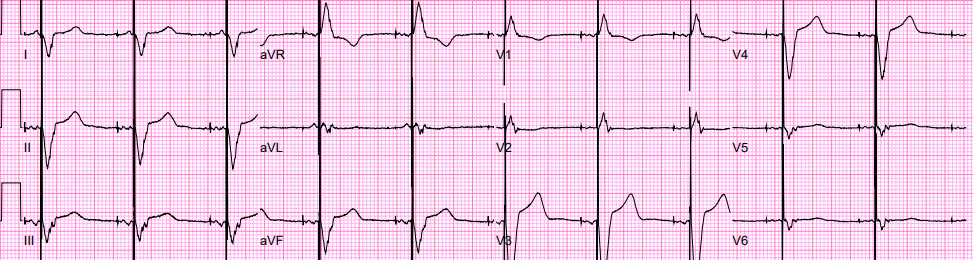
What a pacemaker does
A pacemaker has two jobs: sense the heart’s own electrical activity, and pace when the heart’s rate falls below a programmed threshold. When the heart beats normally, the pacemaker stays quiet — it only fires when needed. Most modern pacemakers also collect detailed diagnostics we can review at follow-up visits.
The current FDA-approved pacemaker systems in the United States fall across three categories: traditional transvenous devices (Medtronic Azure / Astra, Abbott Assurity, Boston Scientific Accolade / Resonate), leadless devices (Medtronic Micra, Abbott Aveir), and CRT-P resynchronization devices (Medtronic Cobalt HF / Crome HF, Abbott Quadra Assura / Quadra Allure, Boston Scientific Resonate HF).
Who needs one
Pacemakers are recommended when the heart’s own electrical system can’t reliably deliver a normal heart rate, and that’s causing symptoms or is dangerous on its own. The two most common reasons are:
- Sinus node dysfunction — the heart’s natural pacemaker is sluggish or pauses, especially with exertion (the heart can’t speed up appropriately) or with certain medications.
- AV block — the electrical signal from the atria can’t reliably reach the ventricles. High-grade AV block always needs pacing; lesser degrees depend on symptoms.
We do not implant pacemakers for fast heart rhythms or for irregular rhythms like AFib alone — those are treated differently.
The three main types
Transvenous (traditional)
The most common design. A small generator (about the size of a large coin) is placed under the skin just below the collarbone. One or two thin insulated wires (leads) are threaded through a vein into the heart and fixed in place. This is what most people picture when they hear “pacemaker.”
- Single-chamber — one lead, usually in the right ventricle. Often chosen when the patient has chronic atrial fibrillation and ventricular pacing alone is sufficient.
- Dual-chamber — two leads, one in the right atrium and one in the right ventricle. Preserves the natural sequence of atria-then-ventricles contraction. This is the most common configuration.
Leadless
A self-contained capsule, roughly the size of a multivitamin, placed entirely inside the right ventricle through a catheter from a leg vein. There is no chest incision, no pocket under the skin, and no lead. Leadless pacemakers are an excellent option when single-chamber ventricular pacing is enough. Newer leadless systems can also communicate with a second device in the atrium to provide dual-chamber pacing.
CRT-P (cardiac resynchronization therapy — pacemaker)
A specialized pacemaker for patients with heart failure and a wide QRS pattern on ECG (an electrical delay between the left and right ventricles). It uses an extra lead that paces the left ventricle through a coronary vein, restoring coordinated contraction. CRT-P improves symptoms and survival in selected heart-failure patients. (CRT can also be combined with a defibrillator — that version is called CRT-D and is covered in the ICD section.)
What life is like after implant
For most people, very little changes day-to-day. After the initial healing period (about 4–6 weeks of avoiding heavy lifting and overhead arm motion on the implant side), normal activity resumes. The device is checked at a wound visit, then in clinic, and afterward via remote monitoring — your device transmits data from home automatically. Some hospitals embed MRI compatibility in modern pacemakers, but we always verify before any MRI is scheduled.
Most patients only feel the device occasionally — when it paces hard, or when it’s checked in clinic. The vast majority of pacemaker recipients report a significant improvement in symptoms — particularly fatigue, exertional shortness of breath, and presyncope.
Practical details after implant
A few specifics that come up in nearly every post-implant conversation:
- Lifting and arm motion. Avoid lifting more than ten pounds with the arm on the implant side for the first four weeks, and avoid raising that arm above shoulder level — this lets the leads scar in and settle. After four weeks, gradually return to normal activity. Day-to-day movements (driving, light cooking, shampooing your hair) are fine from day one.
- The wound dressing. You’ll go home with a clear plastic dressing that looks a bit like kitchen wrap. Leave it in place; we’ll remove it at your wound-check visit in one to two weeks. A small amount of discoloration or dried blood underneath is normal. Do not pull the edges off.
- When to call us. Fever of 102°F or higher, dramatic swelling at the incision site (think the size of an orange), unusual pain, lightheadedness, or any sensation that the device is moving — call the office. None of these are common, but each one is the kind of thing we want to hear about right away rather than at the next scheduled visit.
- Home monitoring. A bedside transmitter or a smartphone app pairing will be arranged in the weeks after implant. We’ll show you how it works; from then on the device sends its data home automatically, and we usually have the information before any office visit.
- Airport security. Modern airport metal detectors will reveal your device. You’ll receive a manufacturer-issued device-identification card; carry it in your wallet and present it to screening personnel. Walking through the detector is generally fine; many patients prefer to request a hand search to avoid the small chance of interference.
- MRI and strong magnetic fields. Today’s pacemakers are designed to be MRI-conditional, but every scan needs to be cleared by us first — the scanner has to be set up correctly and the device reprogrammed for the scan and back. Avoid close proximity to industrial-strength magnets, arc welders, and large speaker magnets. Ordinary cell phones, microwaves, and household electronics are not a problem.
Manufacturer reference
For technical specifications, indications, and the latest official information on the pacemaker systems referenced above, see the manufacturers’ product pages:
- Medtronic pacemakers
- Medtronic Micra leadless pacemaker
- Abbott pacemakers
- Boston Scientific pacemakers
(External links — content is each manufacturer’s and may be technical.)
Further reading
Patient resources from the American Heart Association:
- What Is a Pacemaker? — AHA Answers by Heart — a two-page plain-English fact sheet covering why pacemakers are used, life after implant, and household-electronics guidance
- Pacemaker — AHA animation library — pick “Pacemaker” from the topic menu for an animated explanation of how a pacemaker senses your heart’s rhythm and steps in when needed